
Focused knee recovery assessment · DFW
Turn scattered knee-recovery questions into a clearer next step
The Knee Recovery Clarity Visit is a focused physical therapy assessment of symptoms, swelling, motion, walking, device use, exercise response, and one meaningful task. The goal is to organize what matters now—not promise a diagnosis, timeline, or outcome in one visit.
By Zakaria Nadif, PT, DPT, OCS, CSCS, Cert. Dry NeedlingClinically reviewed
What the visit is
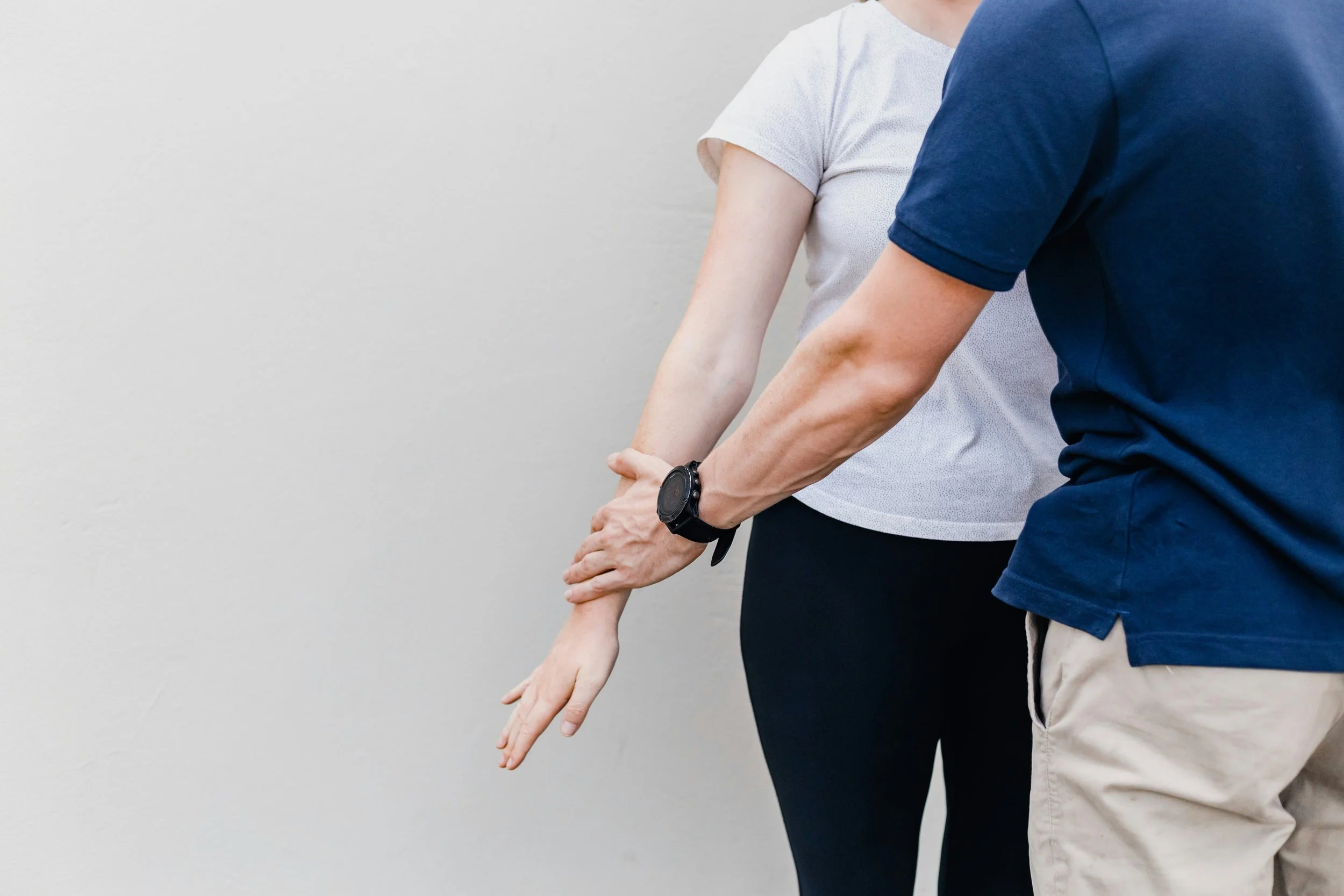
A focused review when the pattern is hard to interpret
This visit can stand alone. If ongoing physical therapy, surgeon follow-up, imaging, or another medical review appears more appropriate, the visit should explain why and identify the questions that matter most.
The visit does not require a long plan of care. Some people want one organized second perspective; others may decide that follow-up rehabilitation is useful after the assessment.
Who it may fit
Useful when the next decision is unclear but the situation is stable
The recovery is uneven, slower than expected, or difficult to compare with the prior week.
You are unsure whether resistance, repetitions, frequency, or total activity fits the response.
Symptoms repeatedly rise after walking, exercise, work, or a specific daily task.
You have questions about bending or straightening without wanting to force a generic target.
A brace, walker, cane, or crutches may need fit, technique, or setting-specific assessment.
You are moving between a surgeon, another therapist, and independent exercise and want the current picture organized.
Recent surgery does not automatically make the visit appropriate. Active wound concerns, uncertain weight-bearing instructions, a new injury, or rapid decline may need the surgeon or another medical clinician first.

History and records
Start with the pattern, not a single painful moment
- Where and when symptoms occur, what changes them, and how they behave across the day.
- What happens during exercise, later that day, and the next morning.
- The surgical procedure, date, precautions, weight-bearing status, and complications if relevant.
- Current exercise list with sets, repetitions, resistance, frequency, and recent changes.
- Available protocols, therapy notes, operative instructions, imaging reports, and medication context.
- The one or two daily activities that matter most to understand.
Imaging and reports are considered alongside history and current function. A scan or report does not automatically explain every symptom or determine the best exercise dose.
What may be assessed
Six connected parts of knee recovery
Symptoms
Location, behavior, aggravating tasks, easing factors, and the response after activity.
Swelling
Visible or reported pattern, change across the day, and relationship to the current load.
Motion
How comfortably the knee bends and straightens within safe limits and current precautions.
Walking and device
Gait, turns, transfers, stairs when safe, and fit or use of a brace, cane, walker, or crutches.
Exercise dose
Selection, resistance, volume, frequency, effort, and the response later and next morning.
Meaningful task
A relevant chair rise, step, route, or home task that can be assessed safely.
Walking and device review
Look beyond the first five comfortable steps
Fit
Height, hand position, tip or wheel condition, and whether the device matches the support needed.
Quality
Weight acceptance, knee control, foot clearance, step rhythm, trunk movement, and reliance on furniture.
Transitions
Starts, stops, turns, backing, chair approach, and the surface or threshold that exposes difficulty.
Fatigue
Whether gait quality and symptoms remain controlled over the distance that actually matters.
The visit does not override a surgeon-directed brace, weight-bearing order, or assistive-device restriction.

Exercise and task dose
Review how much, how hard, and what happens afterward
Possible signs the dose needs review
- Symptoms remain elevated much longer than expected
- Walking or sleep is consistently worse after sessions
- The next essential task needs more help
- Movement quality declines as volume rises
- Several variables were increased together
Useful progression signals
- Technique remains controlled
- Symptoms settle toward the usual baseline
- Daily function is stable or improving
- The current dose is repeatable across more than one session
- One useful variable can change at a time
A visit can suggest reasonable adjustments within PT scope, but new medical symptoms, wound concerns, and surgeon-specific questions belong with the treating medical team.
What you may leave with
A short, usable next-step summary
The exact output depends on what can safely and reasonably be assessed that day.
How to prepare
Bring the knee, the device, the exercise plan, and the questions
- Wear shorts or clothing that allows the knee and movement to be observed.
- Bring the shoes you use most often.
- Bring the brace, cane, walker, or crutches currently used.
- List current exercises with sets, repetitions, resistance, and frequency.
- Note the response during exercise, later that day, and the next morning.
- Bring surgical instructions, protocols, imaging reports, or therapy notes that affect the plan.
- Write down current weight-bearing or movement restrictions.
- Choose one or two daily tasks and your main questions.
Do not obtain new imaging solely for this visit unless a medical clinician has advised it. Existing reports can be helpful, but current examination and history still matter.
Knee Recovery Clarity Visit
Eight practical answers
Is this a diagnostic appointment?
No. It is a focused physical therapy assessment intended to organize the current presentation and guide reasonable next steps. Some concerns require a surgeon, physician, imaging, or another medical evaluation.
Is this only for people recovering from knee surgery?
No. It may also fit selected people recovering from a knee injury or participating in nonsurgical rehabilitation. Recent surgical precautions, when present, take priority.
How is this different from a full plan of care?
It is designed as a focused one-time or short-format review of current status, exercise dose, function, and next-step questions. Ongoing care includes repeated reassessment and progression.
Is one visit enough?
For some people, one visit provides useful clarity. Others need ongoing rehabilitation, medical follow-up, or more information. The visit does not promise that every issue can be resolved once.
Can you tell whether I am exercising too much or too little?
The visit can review exercise dose and response, then suggest reasonable adjustments or questions. Recommendations depend on history, current function, precautions, and what can safely be assessed.
Should I bring imaging?
Bring reports you already have, plus surgical or therapy instructions. You do not need to obtain new imaging solely for the visit unless a medical clinician advises it.
Can I attend with a brace, cane, walker, or crutches?
Yes, if no urgent warning signs are present. Bring the device so fit and use can be considered. Do not change surgeon-directed weight-bearing or brace instructions.
Does this replace my surgeon or regular therapist?
No. It can complement existing care by organizing findings, reviewing day-to-day function, and helping prepare questions. It does not replace postoperative follow-up, emergency care, or treating-team instructions.
Evidence and patient guidance
Sources
- ChoosePT. Physical Therapy Guide to Total Knee Replacement.
- American Academy of Orthopaedic Surgeons. Activities After Total Knee Replacement.
- Centers for Disease Control and Prevention. About Blood Clots.
- American Physical Therapy Association. Physical Therapist Management of Total Knee Arthroplasty: Revision 2026.
Educational information only. This page does not diagnose a knee condition, replace medical or surgical care, or guarantee that a particular next step will be appropriate.
A focused second perspective
Want your current knee recovery organized into priorities?
Bring the device, exercise plan, recent response, relevant records, and the task you most want to understand. The visit can clarify what appears most useful to address next and what belongs back with the medical team.