Skip to page content

Plantar fasciitis & heel pain

Make the first steps of your day easier on your heel.

First-step pain can fit plantar fasciitis, but the name should follow the pattern—not replace an exam. At Argan, we look at where it hurts, when it hurts, what changed, and what your foot must do before choosing the plan.

By Zakaria Nadif, PT, DPT, OCS, CSCS, Cert. Dry Needling Evidence reviewed Educational, not a diagnosis
Runner stretches the calf before activity, illustrating one part of a heel-pain plan
Common clue
Medial heel pain with first steps after rest
First decision
Does the whole pattern fit?
Core plan
Stretch · strengthen · manage load
Progress check
Function today · first steps tomorrow

The short answer

Do not chase the sore spot with one treatment. A useful plan confirms that the symptom pattern is compatible with plantar heel pain, addresses the mobility or strength findings that matter, adjusts the amount of standing or impact, and uses the next morning as feedback.

The 2023 physical-therapy guideline supports plantar-fascia and calf stretching, resistance exercise for the foot and ankle, and manual therapy when relevant restrictions are present. Taping, orthoses, and night splints have narrower roles; no single device replaces a progressive plan.12

Start with the pattern

First-step pain is a clue, not proof.

Plantar heel pain is an umbrella, not one guaranteed diagnosis. The guideline includes plantar fasciitis as well as fat-pad, nerve, and bone-related possibilities. I want several findings to line up before I treat the label.1

A pattern that often fits

  • Pain at the inside-bottom portion of the heel.
  • The first steps after sleep or a period of sitting are especially noticeable.
  • Symptoms began gradually, often around a change in walking, running, standing, surface, or footwear.
  • Pain may ease after a few minutes of movement, then return as the day or activity accumulates.
  • Pressing near the medial heel attachment reproduces the familiar pain.

A pattern that deserves a wider look

  • A sudden injury, marked swelling or bruising, or inability to bear weight.
  • Burning, tingling, numbness, progressive weakness, or symptoms traveling from the back or leg.
  • Pain mainly at the back of the heel, through the midfoot, or sharply over one bone.
  • A wound, spreading redness, warmth, drainage, fever, or a meaningful skin change.
  • Pain that is constant at rest, steadily worsening, or not behaving like a loading problem.

The practical boundary: this page can help you organize the pattern. It cannot determine whether your heel pain comes from the plantar fascia, a nerve, bone, fat pad, tendon, joint, or another condition.

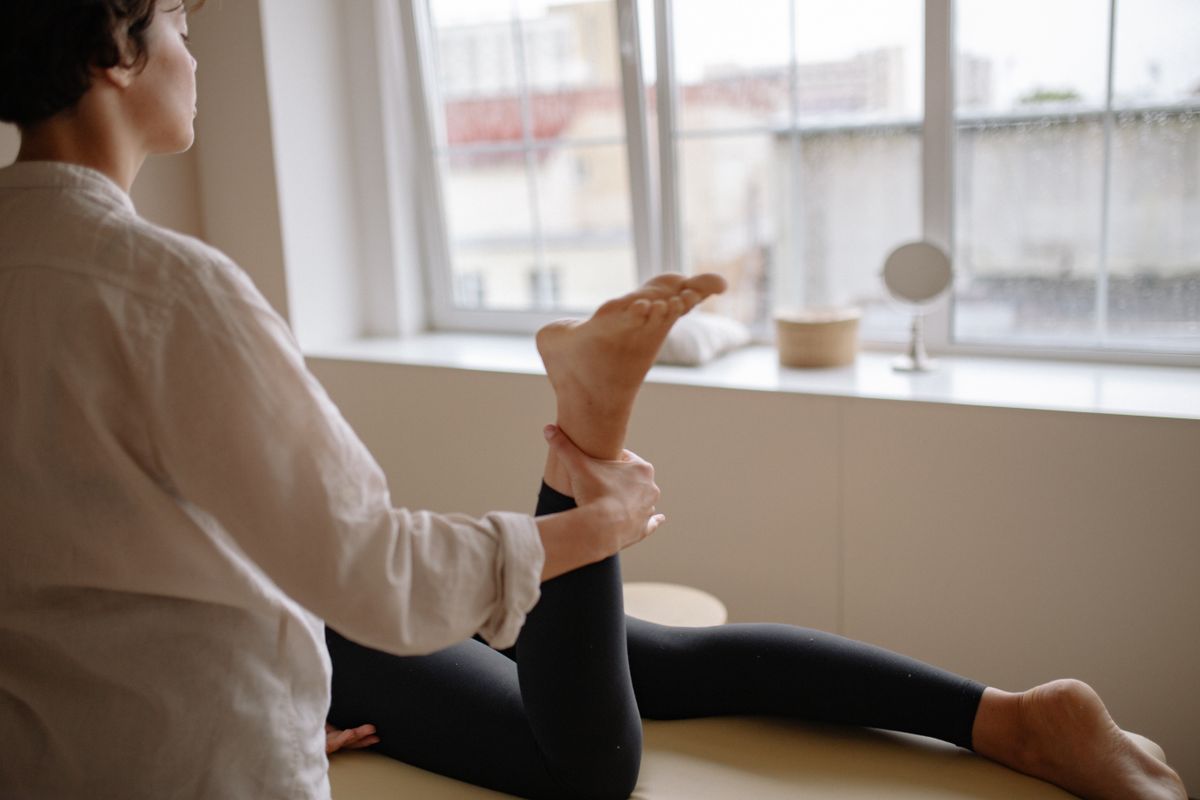
Physical therapist observes a patient during a movement assessment

Before the exercise list

I map the pain, the load, and the task.

A typical history and exam often provide more useful first-line information than a scan. When the clinical criteria fit and there is no concerning alternative, routine imaging is usually not needed at the start.14

  • What changed?We ask about recent standing, walking, running, hills, speed, work demands, footwear, travel, illness, and recovery.
  • Where and when?We compare first-step pain, pain during versus after activity, tenderness, rest symptoms, and nerve-like symptoms.
  • What can the foot and ankle do?I examine ankle motion, plantar-fascia and calf mobility, foot and ankle strength, balance, and how the whole leg accepts load.
  • What matters to you?The plan should prepare the exact task—getting through work, walking the neighborhood, returning to running, or moving confidently at home.

What the guideline supports

Build a treatment menu, not a miracle cure.

The useful question is not “Which one fixes plantar fasciitis?” It is “Which combination matches this exam, this morning pattern, and this week’s loading demands?”1

Plantar-fascia and calf stretching

Specific stretching for the plantar fascia and the gastrocnemius–soleus complex can support short- and long-term pain and function.

Foot and ankle resistance

Progressive strengthening gives the foot and lower leg more capacity for standing, walking, running, and the rest of the day.

Manual therapy when findings fit

Joint and soft-tissue techniques may help relevant mobility restrictions and pain. They should connect to active progress.

Taping as a short-term adjunct

Rigid or elastic taping can be used with other physical-therapy treatments for short-term pain and function—not as the entire plan.

Orthoses as part of a plan

Inserts should not be the only short-term treatment. They may help when combined with exercise, stretching, and a better load strategy.

Night splints for a specific pattern

For consistent first-step morning pain, the guideline supports a one- to three-month night-splint program when it is appropriate and tolerable.

One “more treatment” is specifically less useful: the guideline recommends against using therapeutic ultrasound to enhance the benefit of stretching. More equipment does not automatically mean a better plan.1

Capacity before intensity

Strength should earn its way into the day.

The goal is not to make the heel tolerate one heroic session. It is to give the foot and calf enough repeatable capacity for the steps, standing, stairs, and impact that follow.

  • Start with a version you can controlUse the range, resistance, support, and speed that let you load without compensating.
  • Train the foot and ankleResistance can include the intrinsic foot muscles, plantar flexors, and other ankle muscles based on the exam.
  • Progress both calf rolesStraight- and bent-knee loading may be useful when appropriate because daily movement asks the calf to work in more than one position.
  • Reconnect strength to functionTranslate exercise into longer standing, faster walking, hills, work tasks, or running only as recovery becomes predictable.
Athlete builds lower-leg strength on gym equipment, illustrating progressive loading

A calmer first five minutes

Make the morning a small experiment.

You do not need an elaborate ritual. Use a consistent, tolerable sequence for several mornings and watch what it changes. If it reliably worsens symptoms, it is data—not a test of willpower.

Before standing

Move gently

Try comfortable ankle motion and, if already advised, a gentle plantar-fascia or calf stretch before the first full load.

First contact

Use familiar support

Choose a comfortable, known shoe or support strategy rather than testing a dramatic footwear change on a sensitive morning.

First walk

Keep it ordinary

Take shorter, unhurried steps and let the pattern settle before adding stairs, carrying, speed, or a long standing task.

Record one thing

Notice the trend

Track how long the first-step stiffness lasts and whether your usual walking pattern returns—not every sensation.

Night splint context: a splint is not required for everyone. It is one guideline-supported option when first-step morning pain stays consistent, usually used for one to three months as part of a broader plan.1

A usable load check

Let function today and first steps tomorrow guide the dose.

A single pain number can miss the important change. I care whether you limp, lose speed or confidence, avoid the foot, sleep differently, or wake with a meaningfully worse first-step pattern.

Keep the dose

Your walking stays recognizable, symptoms remain manageable, and the next morning returns to the recent baseline.

Hold or trim

You finish, but the heel changes your gait, lingers longer, disrupts sleep, or is clearly worse the next morning.

Pull back and reassess

Pain escalates, function drops, swelling or neurologic symptoms appear, or each attempt creates a worsening trend.

This is a decision aid, not a diagnosis. Use it to adjust ordinary loading. Atypical, severe, or worsening symptoms belong in a clinical assessment.

Return to walking or running

Change one variable at a time.

Shoes, an insert, taping, a cane, a route change, or a temporary reduction in impact can help you manage load. None of them should be treated as a moral victory or failure. Use the least complicated support that makes the task safer and more repeatable.

VariableWhat to changeWhat to watch
Time or distanceAdd a small amount to a route you already understand.Gait during the session and first steps the next morning.
SpeedKeep the route stable while adding a modest pace change.Whether quicker loading changes pain or technique.
Surface or hillsIntroduce one new terrain demand without also extending the route.Foot placement, calf fatigue, and later-day recovery.
ImpactUse short, planned running or jumping exposures when strength and walking are ready.Control during impact and the 24-hour response.

Count the whole day: a run is not only the running minutes. Warm-up, work, errands, standing, stairs, and the walk back to the car all contribute to the load your heel receives.

When the story does not stay simple

Imaging is a question-driven tool.

A typical plantar-fasciitis pattern usually does not need MRI or ultrasound at the beginning. For chronic foot pain of unclear cause, the 2025 ACR criteria rate foot radiographs as the usual initial imaging. When radiographs are negative or indeterminate and a fascia or other soft-tissue problem remains suspected, ultrasound or MRI without contrast may be appropriate next studies.4

Typical and improving

Continue the matched conservative plan and progress from your function and recovery rather than scanning for reassurance.

Atypical or uncertain

Recheck the diagnosis. Location, trauma, nerve symptoms, bone tenderness, systemic signs, and response to loading should determine the next question.

Not improving as expected

Review whether the diagnosis, exercise dose, daily load, footwear, sleep, medical history, or adherence needs to change before simply adding another passive treatment.

Heel spur on an X-ray

A spur does not by itself prove the cause of pain. AAOS notes that many people with heel spurs have no heel pain.3

Arrange prompt medical assessment when the pattern raises concern.

That includes a sudden injury with inability to bear weight, marked swelling or bruising, progressive numbness or weakness, a wound or spreading skin change, fever, or pain that is constant and steadily worsening. If you have diabetes, reduced sensation, or poor circulation, cuts, sores, redness, swelling, blisters, and other foot changes deserve early attention because problems can be harder to feel and heal.5

Questions I hear often

Plantar fasciitis and heel-pain FAQ

Does first-step pain prove I have plantar fasciitis?

No. It is a common and useful clue, especially with medial plantar-heel tenderness and a gradual load-related onset, but other heel conditions can overlap. The whole history and exam matter.1

Should I stretch before I stand up?

A tolerable plantar-fascia or calf stretch can be part of care, and gentle ankle motion before the first steps may be a reasonable way to test the morning pattern. Stretching should not be forced, and it should not replace strengthening and load management.1

Do I need to stop walking or running completely?

Not automatically. Many people can keep a smaller, better-controlled dose while building capacity. Reduce or change the activity if gait deteriorates, symptoms escalate, or the next-morning response is repeatedly worse. Sudden injury or concerning symptoms need assessment, not a generic return plan.

Will an insert or orthotic fix the problem?

An orthosis may help some people as part of a combined plan, but the guideline recommends against using it as an isolated short-term treatment. Comfort, shoe fit, the exam, exercise, and how much you load the foot still matter.1

Is a night splint worth trying?

It can be reasonable when first-step morning pain is consistent. The guideline supports a one- to three-month program for that pattern. Fit, sleep tolerance, skin safety, and your individual health history still matter.1

Do I need an X-ray, ultrasound, or MRI?

Often not at the start when the clinical pattern is typical. Imaging becomes more useful when the cause is uncertain, symptoms are atypical, trauma or another diagnosis is suspected, or well-executed conservative care is not producing the expected course. The test should answer a specific question.14

Does a heel spur mean the spur is causing my pain?

No. Heel spurs can appear in people without pain, and removing a spur is not the ordinary first answer for plantar fasciitis. Treat the clinical problem, not an incidental image finding.3

How long does plantar fasciitis take to improve?

Recovery commonly takes weeks to months rather than days. AAOS reports that more than 90% of people improve within 10 months of starting simple nonsurgical treatment, but that statistic is not a reason to wait through a worsening or atypical pattern. Progress should be judged by function and trend.3

Evidence and safety sources

Sources reviewed

  1. Heel Pain—Plantar Fasciitis: Revision 2023 Clinical Practice Guideline. Journal of Orthopaedic & Sports Physical Therapy, December 2023.
  2. Academy of Orthopaedic Physical Therapy: Heel Pain—Plantar Fasciitis Revision 2023. Guideline landing page and clinician/patient resources.
  3. Plantar Fasciitis and Bone Spurs. American Academy of Orthopaedic Surgeons OrthoInfo.
  4. ACR Appropriateness Criteria: Chronic Foot Pain. Revised 2025.
  5. Your Feet and Diabetes. Centers for Disease Control and Prevention, May 15, 2024.

Currency check: sources and links were reviewed on . Recommendations apply to populations; an exam determines what fits an individual.

In-home physical therapy

Build a heel plan around the floor you actually walk on.

Argan can examine the pattern, watch the real tasks that provoke it, and help you choose the smallest useful changes in mobility, strength, footwear, and daily load.

Mobile physical therapy availability varies across Southlake, Colleyville, Grapevine, and nearby Mid-Cities DFW communities.

This page is educational and does not replace an individual diagnosis or emergency care. If symptoms are severe, rapidly worsening, associated with trauma, neurologic change, infection signs, or inability to bear weight, contact an appropriate medical professional promptly.